Finding the right activity for a toddler who doesn't love sitting still — or a child who experiences the world a little more intensely — can feel like a full-time job. Sensory storytime is one of those rare programs that actually works for both.
Here's what it is, where to find it across Sydney, and what to expect on your first visit.
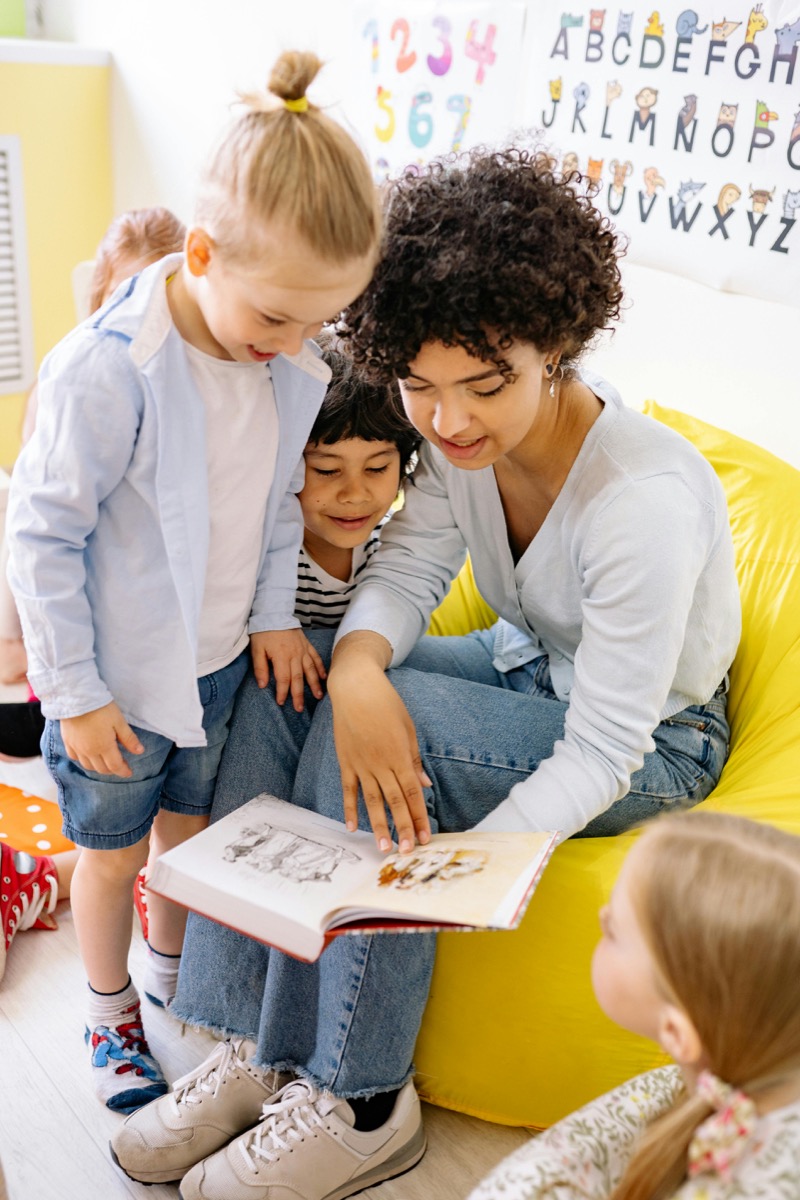
What is sensory storytime?
Sensory storytime combines a traditional library storytime (picture books, songs, nursery rhymes) with hands-on sensory play. Instead of sitting still for 30 minutes, children move between stations: a bubble machine, a texture tray, playdough, scarves, musical instruments, or a sensory bin filled with rice or kinetic sand.
The result is a session that meets children where they are — whether they want to follow along with the story, march around the room, or spend the whole time squishing playdough. Both are fine.
Who is it for?
Sensory storytime is designed for children aged roughly 0–5, with most sessions splitting into baby (0–2) and toddler/preschool (2–5) groups.
It's particularly popular with:
- Children with sensory processing differences who benefit from movement and tactile input
- Children on the autism spectrum who find the predictable structure reassuring
- Highly active toddlers who aren't ready for sit-still story time yet
- Families with mixed-age siblings where one child needs movement
That said, neurotypical kids love it too. There's no prerequisite. If your child likes books, bubbles, or making a mess — this is for them.
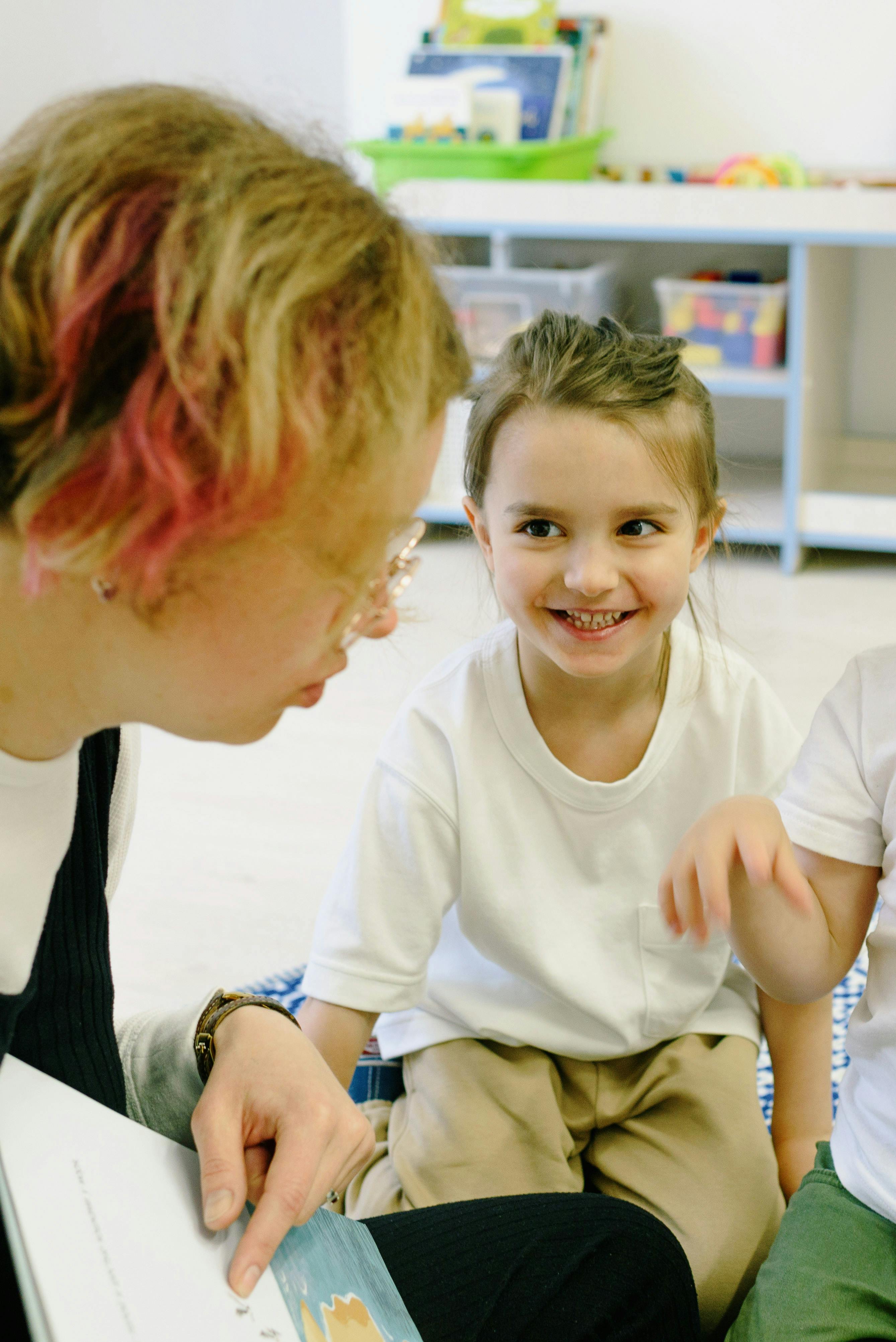
What happens in a typical session?
Sessions vary by library, but a common format looks like this:
- Welcome song — the same every week, which helps children know what's coming
- One or two picture books — often chosen for rhythm and repetition rather than plot
- Action songs and movement — "Heads, Shoulders, Knees and Toes", scarves, shakers
- Free sensory play — stations are set up around the room; children explore at their own pace
- Tidy-up song — transitions matter, and most sessions signal the end clearly
Sessions usually run 30–45 minutes. Many libraries ask you to book in advance, as group sizes are kept deliberately small.
Where to find sensory and early literacy programs in Sydney
Sydney councils use different names for these sessions — "sensory storytime", "messy play", "preschool storytime", or "rhymetime". Here's what's available across councils we cover:
Inner West
Seven library branches run free Storytime sessions for ages 3–5, including Leichhardt, Balmain, Ashfield, Stanmore, Haberfield, St Peters/Sydenham, and the Emanuel Tsardoulias Community Library. Sessions run during school term.
Browse Inner West kids events →
Parramatta
City of Parramatta runs Messy Sensory Play for Babies at two venues: PHIVE at 5 Parramatta Square and the Yarra Community Centre in Rydalmere. These are specifically designed for babies and young toddlers — expect paint, water, and textures in a safe, supervised environment. Free to attend.
Parramatta Library branches also run themed storytimes year-round: Teddy Bear Storytime, Book Week Storytime, Story Time Science, and bilingual sessions (including Sinhalese/English at Epping Library).
Browse Parramatta kids events →
Canterbury-Bankstown
Preschool Story Time runs at four Canterbury-Bankstown library branches: Bankstown, Padstow, Lakemba, and Earlwood. Free and regular during school term.
Browse Canterbury-Bankstown events →
City of Sydney, Blacktown, Northern Beaches
All three councils run regular early childhood library programs. Check your local library's events calendar or search Little Rascal for upcoming sessions near you.
Tips for your first session
Arrive a little early. Most sessions have a short settling period. Getting there 5–10 minutes before means your child can scope out the room before it fills up.
Don't worry about participation. Children regulate at their own pace. Watching from the back for the first few sessions is completely normal and just as valid.
Bring a change of clothes. If there's messy play, there will be mess. Some venues provide aprons, but don't count on it.
Book ahead. Sensory-focused sessions in particular have smaller group sizes. Many Sydney libraries open bookings 2–4 weeks in advance via their council website or Eventbrite.
Go back. Familiarity matters enormously for toddlers. The second session is almost always easier than the first.
Frequently asked questions
Is sensory storytime free? Almost always, yes. Council library programs across Sydney are free to attend. Some independently run sensory play sessions (through community groups or Eventbrite providers) charge a small fee, typically $5–$15.
Do I need to book? Most council sessions require a booking, especially the smaller sensory-specific groups. Check your local library's website or look up the event on Little Rascal for a link to the booking page.
What age is best to start? You can start from birth — many councils run separate baby rhymetime from 0–18 months. For sensory storytime specifically, 18 months to 4 years is the sweet spot when children can engage with both the story and the play.
My child has a disability. Will we be welcome? Yes. Sensory storytime programs are designed with inclusion in mind and are often run by librarians with early childhood training. If you're unsure, call the library ahead of your visit — most will be happy to chat through what the session involves.
Browse upcoming storytime and sensory play sessions near you on Little Rascal — updated weekly from council event listings.